 and our new web domain is Circular.nyc



Part 4 From Potential to Practice: Navigating AI Across the Design Process - Design Development
2026.02.03
 Share
Share
In the previous post in this series, we explored how AI tools can support the Schematic Design phase, when ideas are still taking shape and big-picture direction is being established. In this post, we shift our focus to how AI can assist in Design Development, where those early ideas are tested, coordinated, and translated into a more buildable reality.
For high-performance, low-energy projects, DD is where design ambition meets accountability. Material choices, budget constraints, performance targets, and constructability all need to move forward together. At this stage, AI is most useful not as a generator of new concepts, but as a way to sharpen decisions, reveal tradeoffs, and support a more integrated design process.
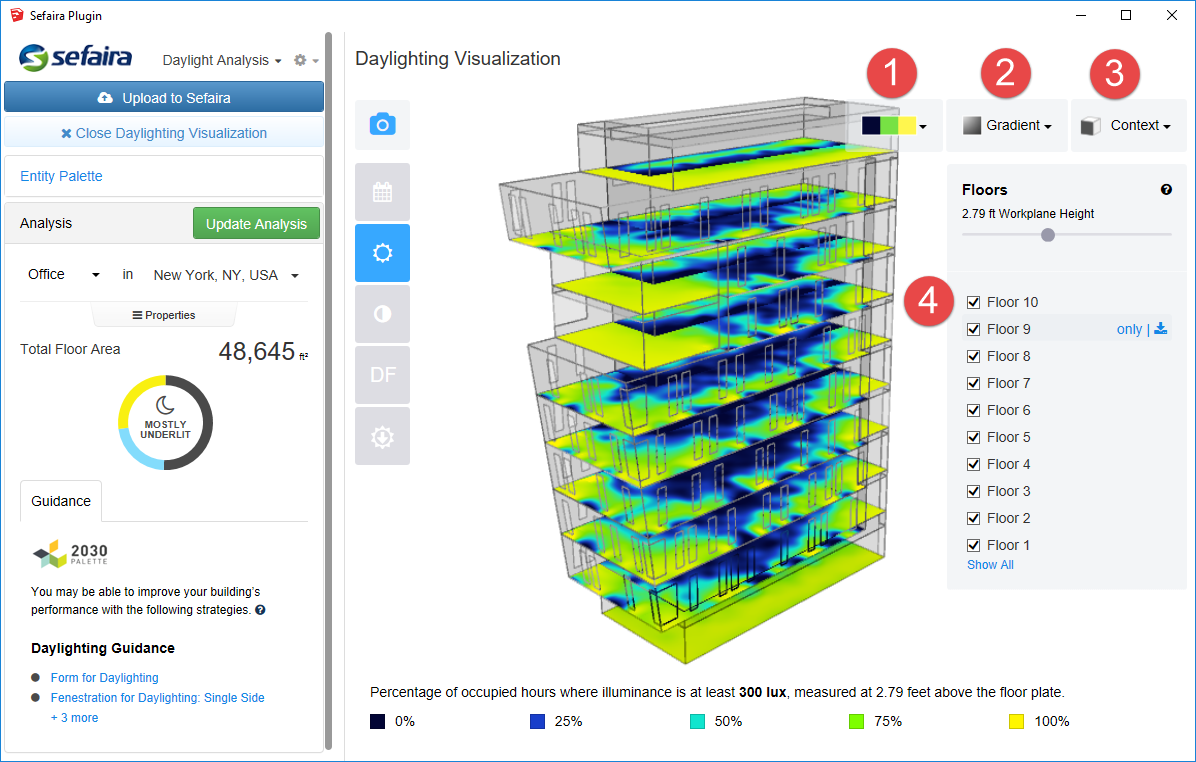
Sefaira: Real-Time Performance Feedback
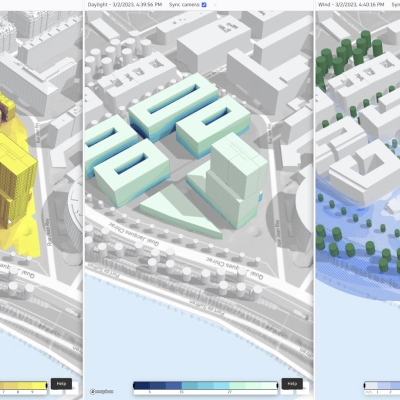
Sefaira, now integrated with SketchUp and Revit, allows architects to run daylight, energy, and ventilation studies directly from their working models. During design development, that means teams can quickly test window placement, shading strategies, and wall assemblies while the design is still evolving. The benefit is speed, but also alignment. When performance feedback is immediate, it becomes easier to keep aesthetics, comfort, and energy goals in conversation rather than treating them as separate concerns. For teams pursuing Passive House-aligned outcomes, that can be especially valuable. Sefaira works best as a comparative design tool, however, not a substitute for consultant-led analysis. It helps the team move in the right direction, but final validation still matters.
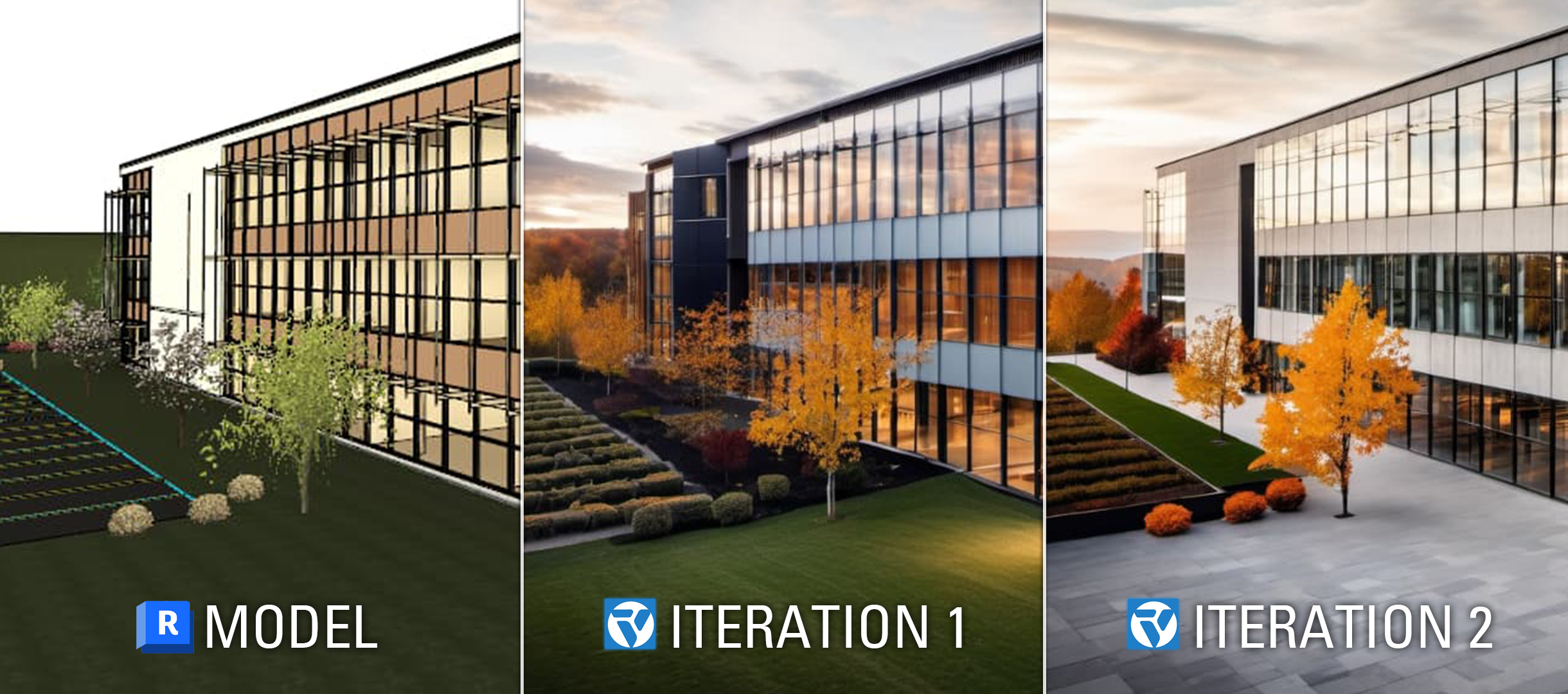
Veras: Faster Iteration Within BIM
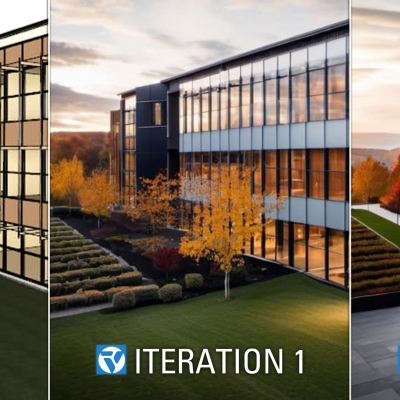
Developed by EvolveLAB, Veras uses generative AI to create design variations directly from Revit models, adjusting elements such as massing, materials, or layouts while staying connected to project parameters. In design development, this can support faster exploration of façade options, planning refinements, or roof forms shaped by daylight and performance goals. Because the work remains tied to the BIM environment, it can reduce some of the friction that often comes with moving between concept studies and technical development. Still, speed does not remove the need for rigor. AI-generated geometry must be reviewed for code compliance, constructability, and alignment with design intent. Veras can expand the field of possibilities, but architectural judgment remains essential.

For teams pursuing Passive House-aligned outcomes, that can be especially valuable.
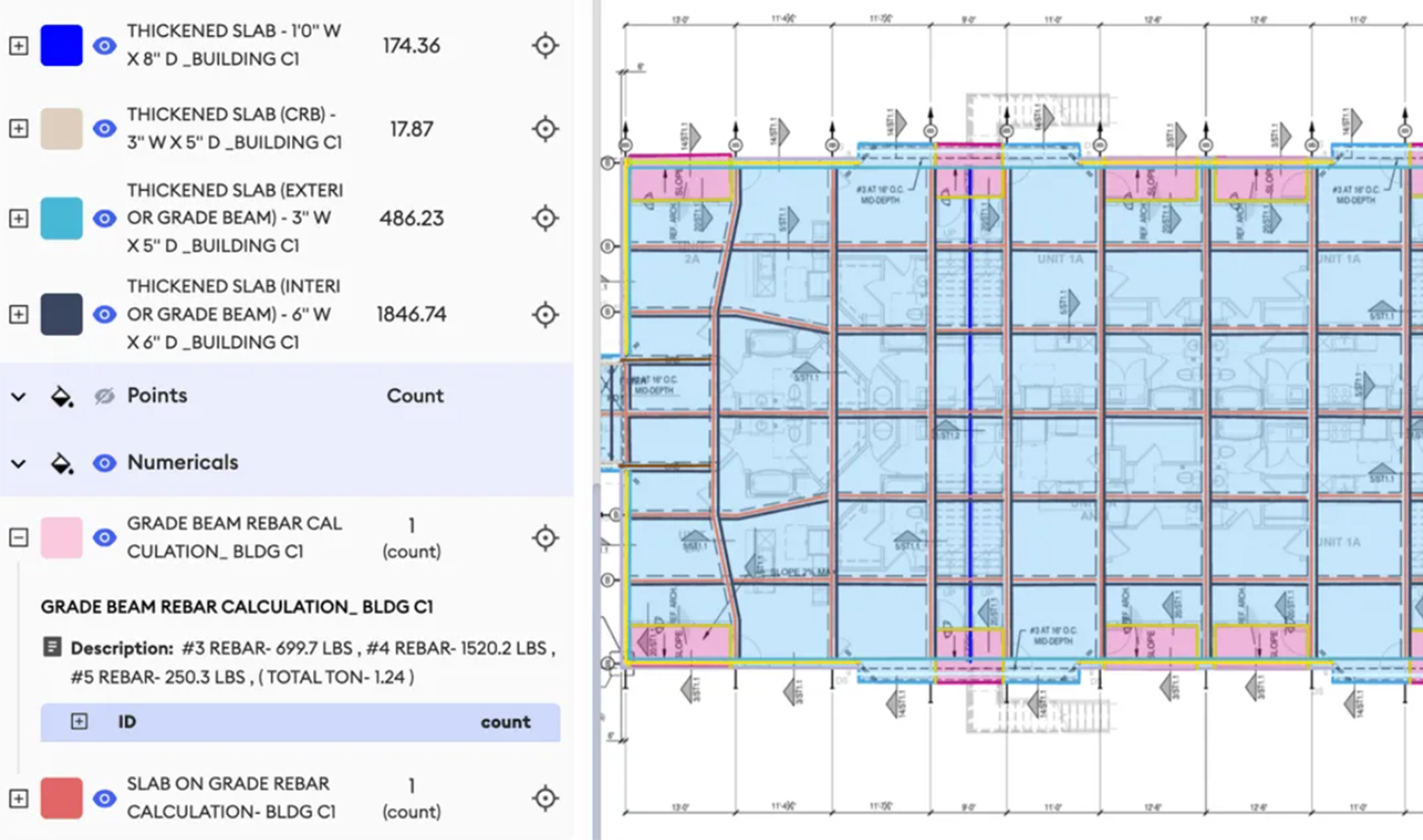
Beam: Making Cost and Carbon Visible
Beam sits at the intersection of cost estimating and embodied carbon analysis. By pulling material schedules from BIM models and comparing cost and carbon impacts side by side, it helps teams understand the broader consequences of design decisions earlier in the process. That shift matters. It opens the door to conversations about long-term value rather than first cost alone. For practices committed to circular economy principles and high-performance design, that kind of visibility can help guide smarter material choices before specifications are locked in. Its usefulness, however, depends on the quality and regional relevance of the data behind it. The strongest results still come from pairing platform analysis with supplier-specific information and project-based expertise.
Veras can expand the field of possibilities, but architectural judgment remains essential.
Design development will always rely on close coordination, consultant input, and stakeholder feedback. AI does not replace that process. What it can do is strengthen it. By helping teams test assumptions, compare options more clearly, and identify consequences earlier, these tools support better alignment between design vision and building performance. For Circular, that is where the real value lies. Technology is most meaningful when it helps deliver architecture that is creative, buildable, equitable, and high-performing. In the next post, we will look at how AI is shaping the construction documentation phase, where precision, compliance, and clarity come to the forefront.
Image credits above: Sefaira © 2024, Veras © 2024, Beam AI © 2024.
It opens the door to conversations about long-term value rather than first cost alone.
From Potential to Practice: Navigating AI Across the Design Process
 Part 1
Introduction
2025.07.16
Part 1
Introduction
2025.07.16
 Part 2
Pre-Design
2025.09.23
Part 2
Pre-Design
2025.09.23
 Part 3
Schematic Design
2025.09.30
Part 3
Schematic Design
2025.09.30
 Part 4
Design Development
2026.02.03
Part 4
Design Development
2026.02.03
Share


