 and our new web domain is Circular.nyc



Designing Effective STEM Learning Environments: Key Principles
2026.08.26
 Share
Share
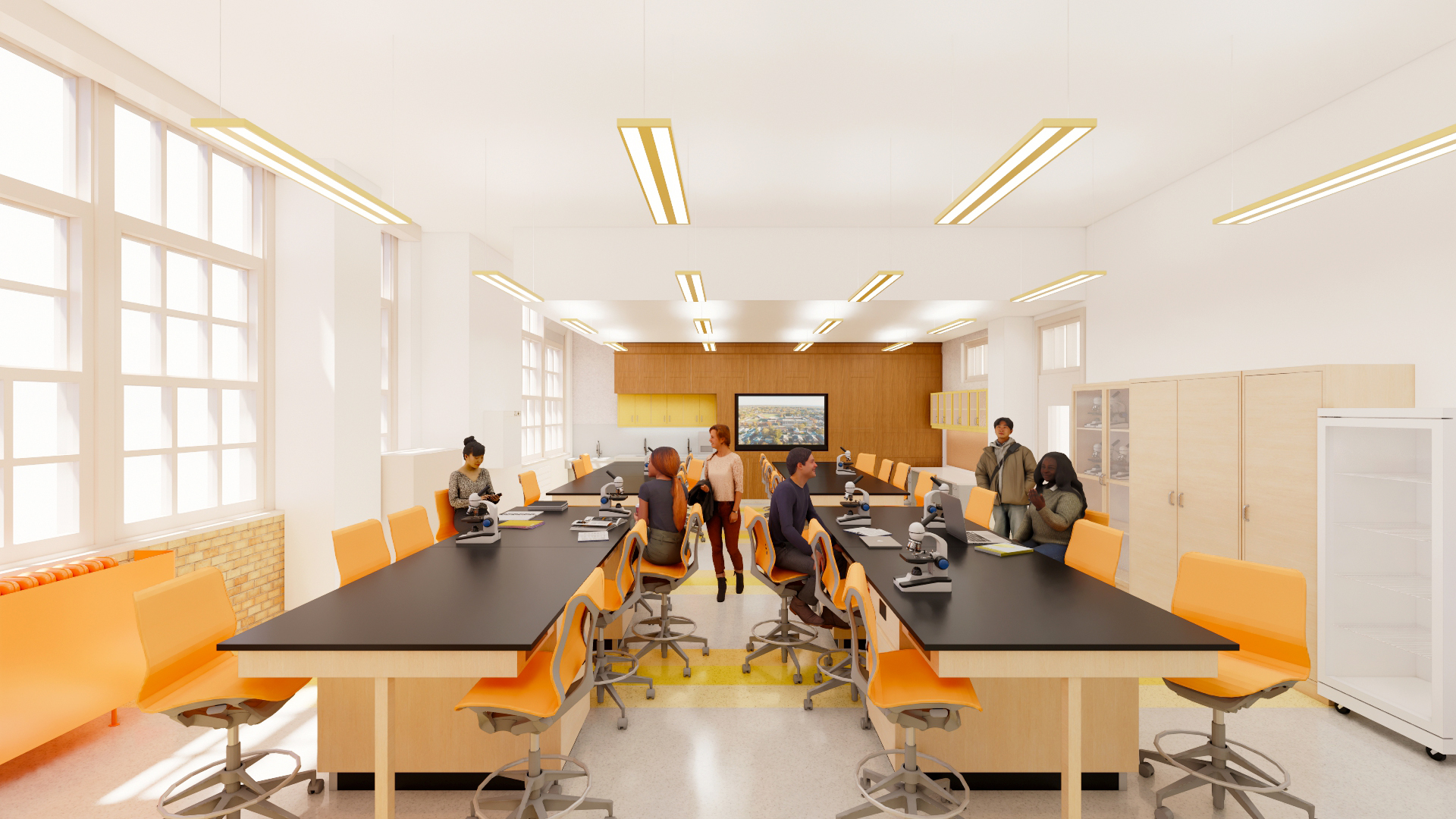
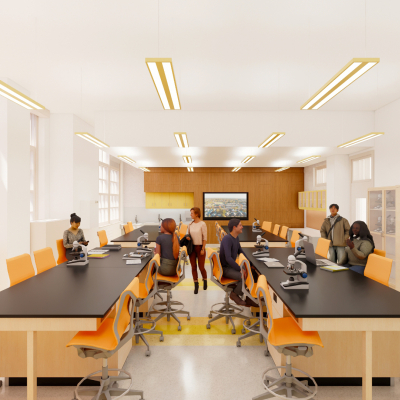
Defining the Modern STEM Learning Environment A modern STEM learning environment is far more than a conventional classroom outfitted with computers or lab benches. It is an active, highly integrated spatial ecosystem designed to foster curiosity, inquiry, and interdisciplinary problem-solving. Rather than siloing science, technology, engineering, and mathematics into isolated subjects, an effective STEM space unifies these disciplines through hands-on discovery and real-world application. At its core, the physical environment serves as a catalyst—a flexible canvas that supports both structured instruction and open-ended student exploration.
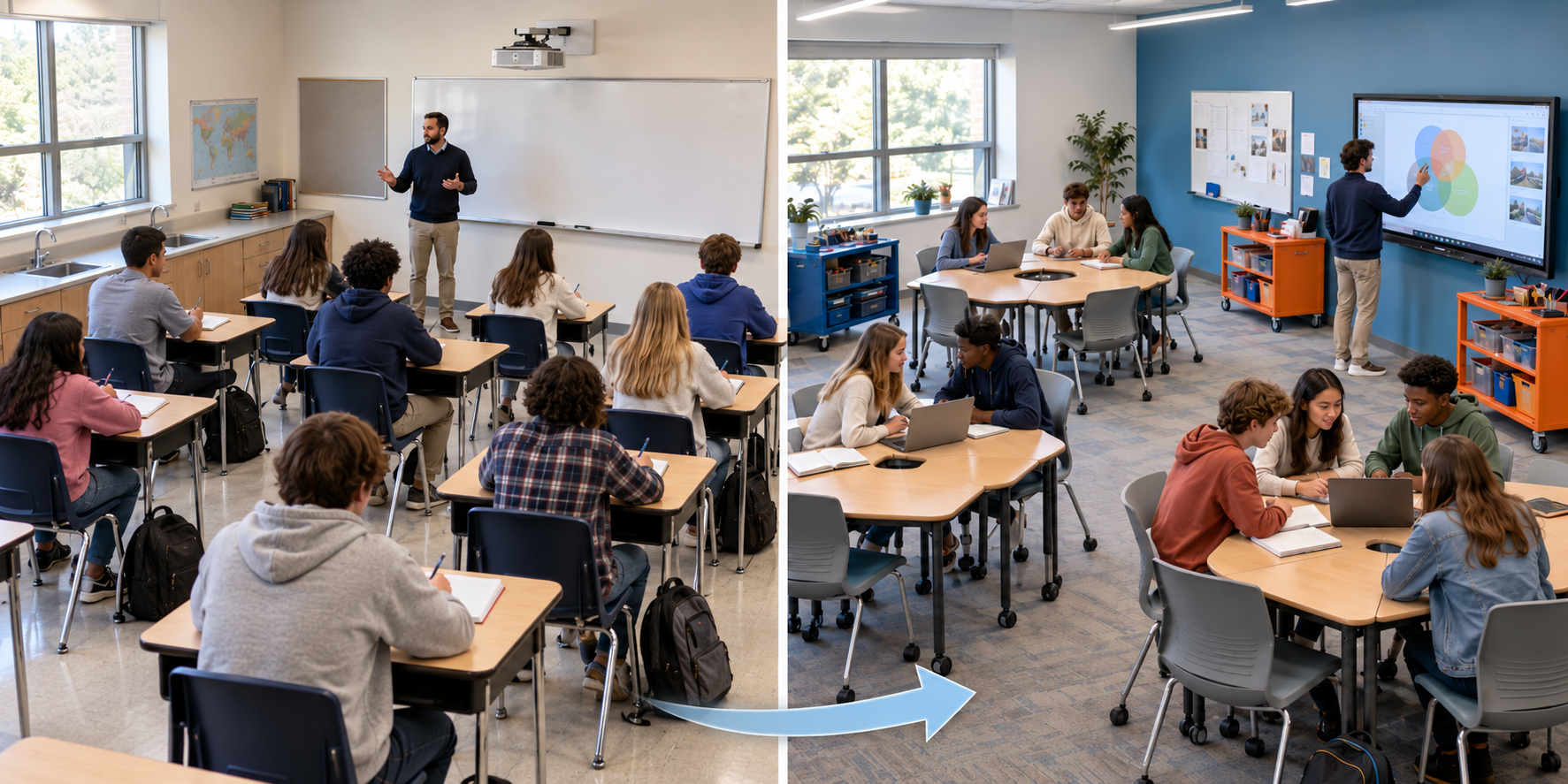
The Evolution of STEM Pedagogy Educational paradigms have shifted dramatically from static, teacher-centric lectures toward immersive, project-based learning. Historically, science labs and computer rooms were rigid, single-purpose facilities bounded by fixed casework and immovable infrastructure. Today’s STEM education demands spaces that evolve alongside changing curricula and emerging technologies. As educators emphasize collaborative problem-solving, critical thinking, and iterative design, the physical environment must adapt to accommodate fluid transitions between research, digital modeling, physical prototyping, and peer presentation.
Learning happens through making, testing, and exploring.
Key Spatial Pillars: Flexibility, Collaboration, and Technology To support this dynamic pedagogical shift, successful STEM design relies on three interconnected pillars: flexibility, collaboration, and seamless technology integration. Mobile, reconfigurable furniture allows educators to reshape a room in minutes—transforming a large-group lecture setting into small team pods or open workshop zones. Integrated overhead power drops, accessible storage, and robust digital connectivity ensure that tools and equipment can be deployed wherever needed. By removing physical friction, these spatial strategies encourage spontaneous teamwork and continuous experiment-driven learning.
Space is the silent teacher—build it to adapt, create, and inspire.
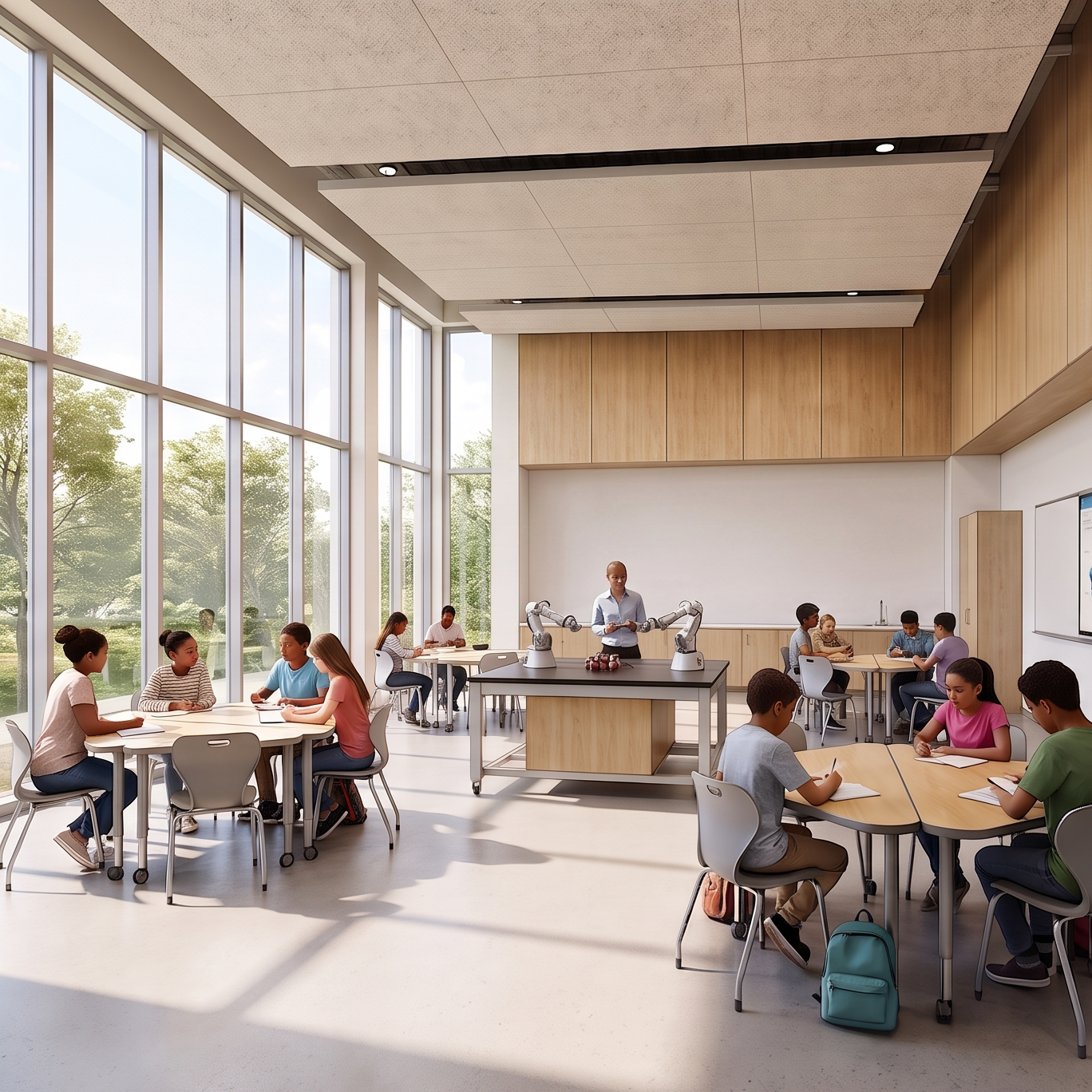
Why Design Matters: Spatial Impact on Student Engagement The architecture of a learning environment directly shapes human behavior, focus, and creative output. Thoughtful design choices—such as maximizing natural daylight, optimizing acoustic performance, selecting sustainable, healthy materials, and ensuring clear sightlines—profoundly impact student well-being and academic engagement. When a space feels open, safe, and intuitively organized, students take greater ownership of their learning process. Strategic spatial layout reduces distraction, enhances inclusivity, and communicates to students that their creative inquiry is valued.
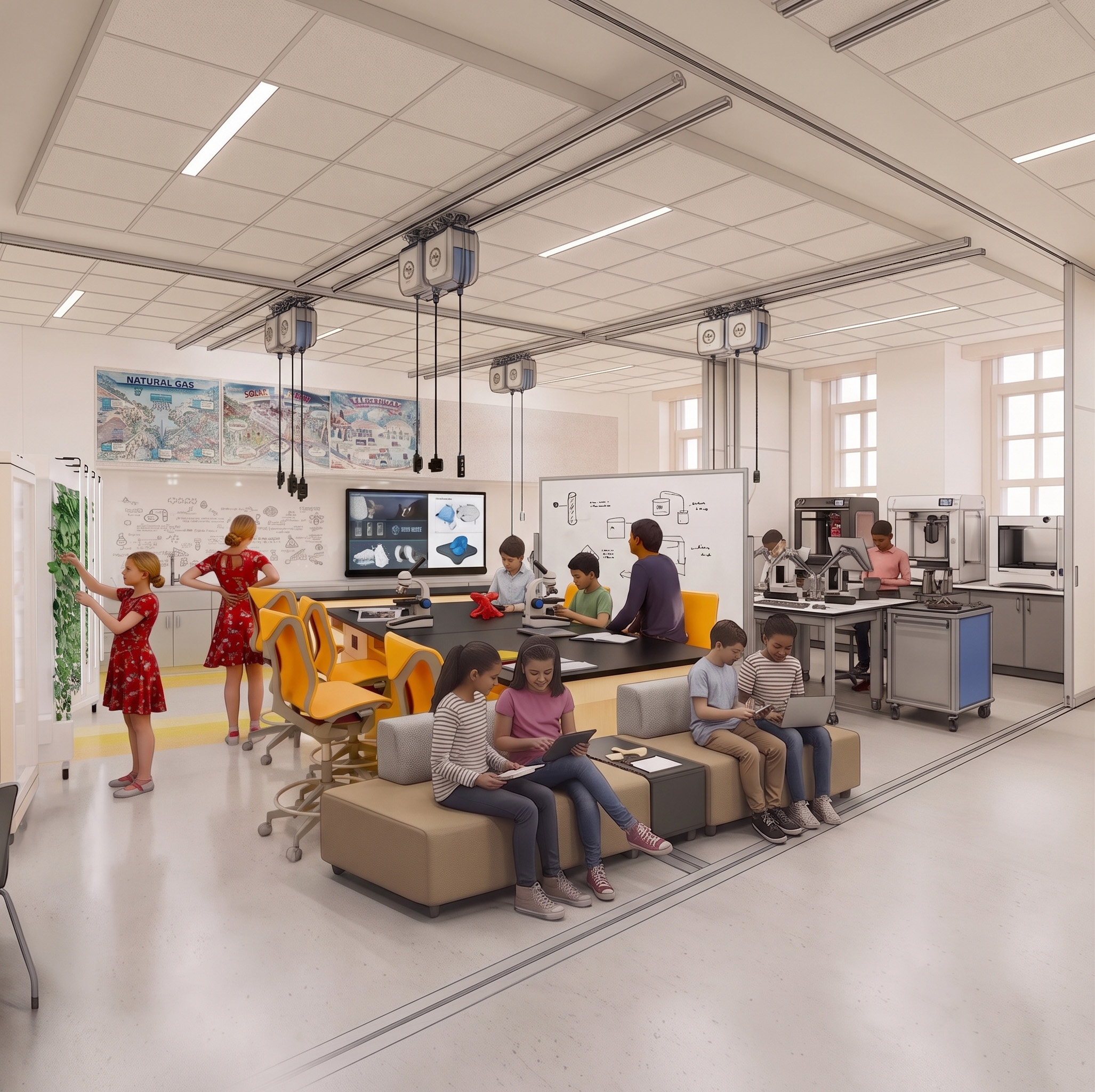
Setting the Foundation for Future-Ready Spaces Designing an effective STEM environment requires translating complex educational goals into responsive, high-performance architecture. As technology and teaching methodologies continue to advance, learning spaces must be built with future adaptability in mind. Establishing clear design principles from the outset ensures that schools and institutions create lasting value—building environments that not only meet today’s technical requirements but also inspire the next generation of innovators, thinkers, and problem solvers.
Great ideas need room to move, test, and grow.
Designing the Future of STEM Learning
 Part 1
2026.08.26
Part 1
2026.08.26
Share


