 and our new web domain is Circular.nyc



Sargassum Brick: Where Waste Makes Sense in Construction
2026.03.05
 Share
Share
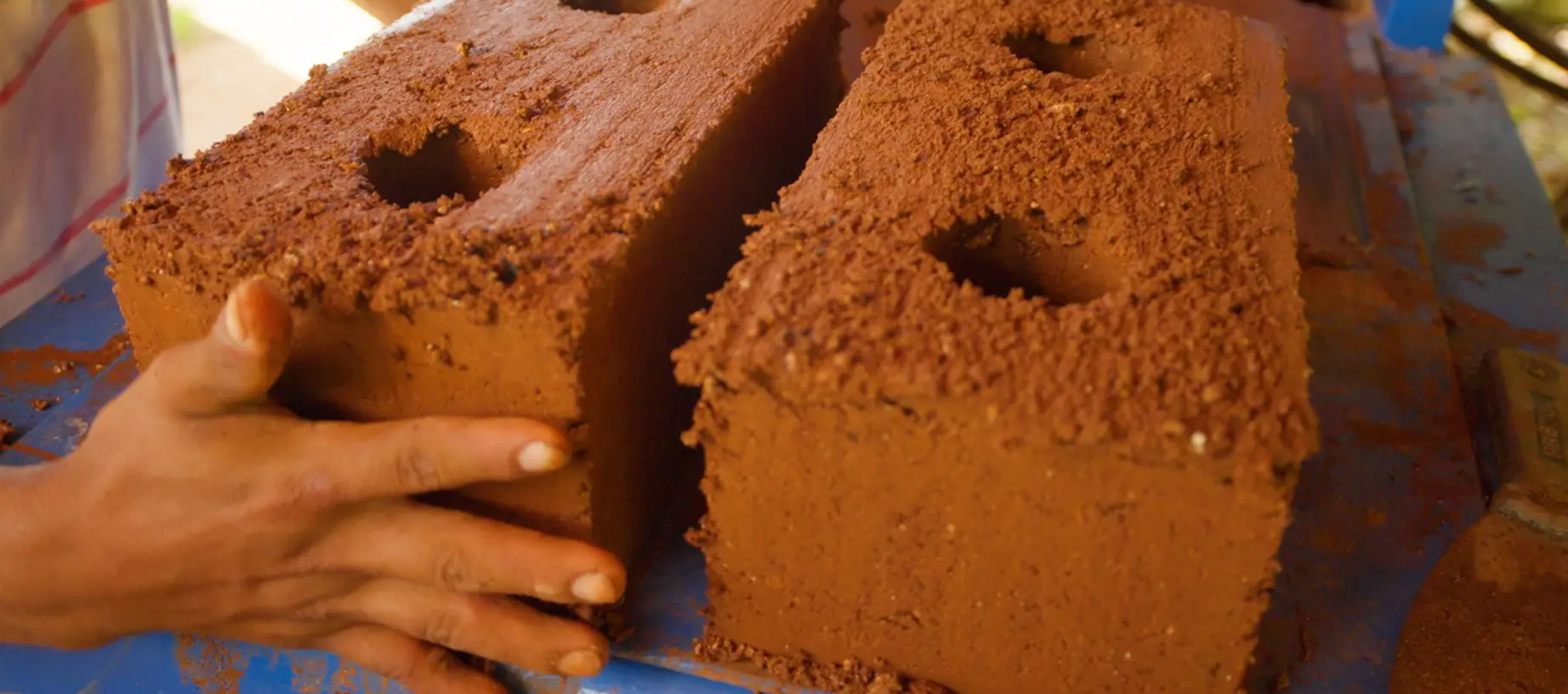
Along coastlines across the Caribbean, Gulf of Mexico, and parts of the Atlantic, massive blooms of sargassum seaweed have become an environmental and economic burden. Thick mats wash ashore, damaging marine ecosystems, producing unpleasant odors as they decompose, and requiring costly cleanup operations that strain local governments and tourism economies. Instead of treating the seaweed purely as waste, a growing number of material innovators are asking whether this abundant biomass could become a useful resource. One emerging answer is the development of sargassum based construction products that transform coastal nuisance into a building material.
What Is Sargassum and How Does It Perform?
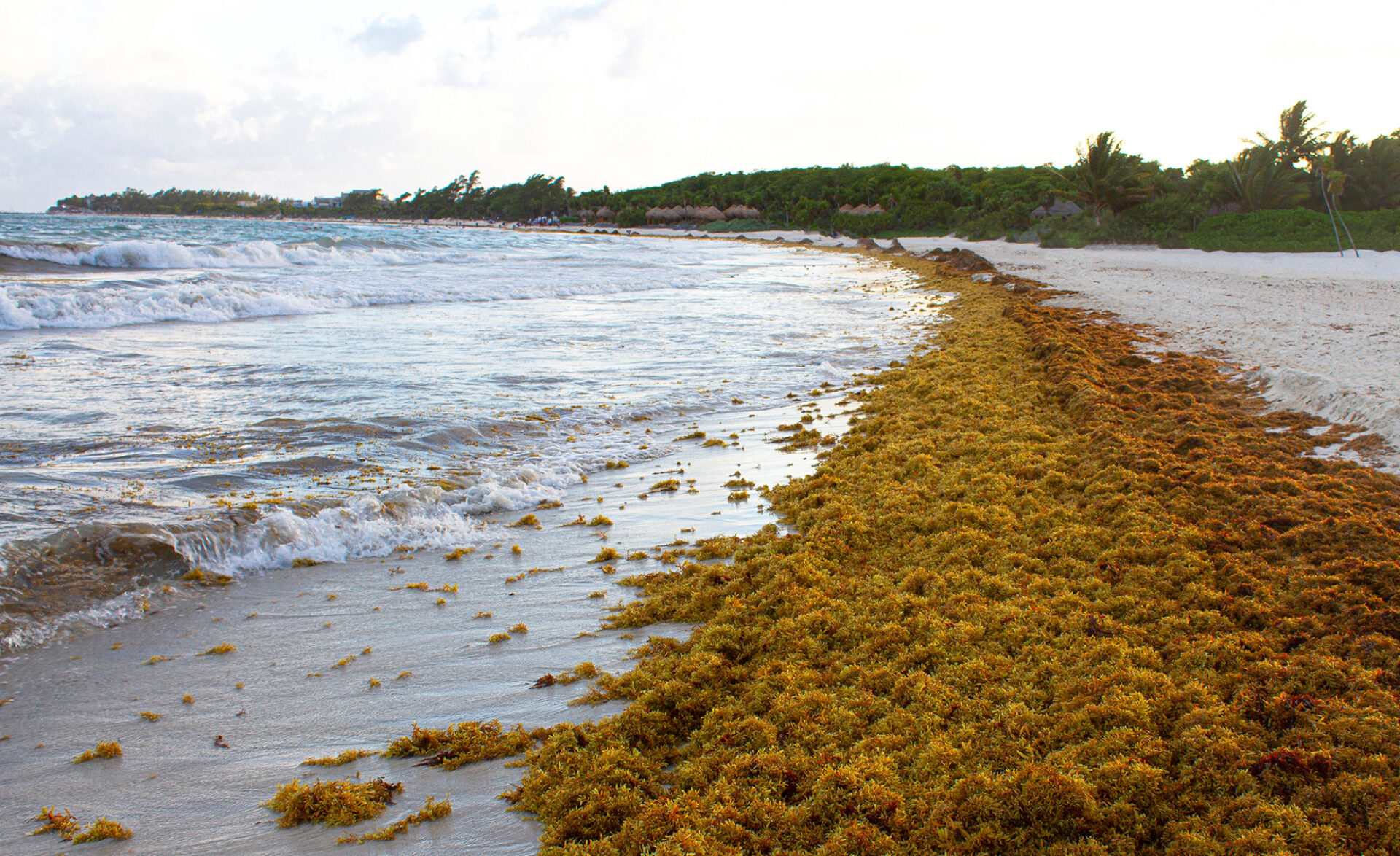
Sargassum bricks is a composite product made by combining harvested seaweed with recycled plastics and stabilizing additives. The resulting material behaves similarly to plastic composite lumber. It can be cut, drilled, and fastened using conventional tools, making it relatively easy to integrate into familiar construction workflows. Because the plastic matrix provides water resistance and dimensional stability, these materials are typically suited for exterior applications rather than structural building elements. Common uses include decking, façade cladding, fencing, landscape structures, and boardwalks. In other words, sargassum products function less like traditional masonry brick and more like durable composite boards designed for outdoor environments.
Sargassum products function less like traditional masonry brick and more like durable composite boards designed for outdoor environments.
Where It Works Best
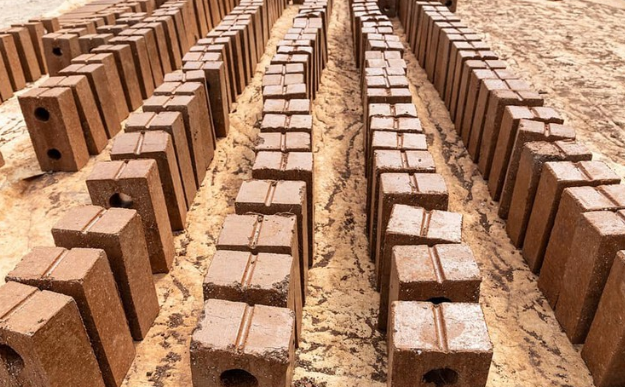
The most compelling use cases for sargassum materials tend to be in coastal or humid regions where durability and moisture resistance are critical. Boardwalks, docks, and waterfront public spaces are particularly logical applications since the material originates from coastal waste streams and performs well in wet conditions. Landscape elements such as screening walls, outdoor furniture, and garden structures are also natural fits because they do not require structural certification. In flood prone or high humidity climates, materials that resist rot, swelling, and insect damage can reduce maintenance demands over time. For projects that emphasize circular design principles, the material also carries a powerful narrative value by directly addressing a local environmental problem.
For projects that emphasize circular design principles, the material also carries a powerful narrative value by directly addressing a local environmental problem.
How Sargassum Stacks Up
Sargassum composites belong to a broader family of construction materials derived from waste streams. Recycled plastic lumber, already common in decking and marine infrastructure, offers a close performance comparison but typically relies entirely on plastic feedstock. Hempcrete and other plant fiber blocks use agricultural materials as well, but they function primarily as breathable wall assemblies rather than durable exterior boards. Industrial byproduct materials such as fly ash concrete operate at the structural scale, replacing portions of cement in major building systems. Compared with these alternatives, sargassum composites occupy a niche as non structural exterior components that combine organic biomass with recycled polymers to produce durable building elements.
Waste and the Future of Construction
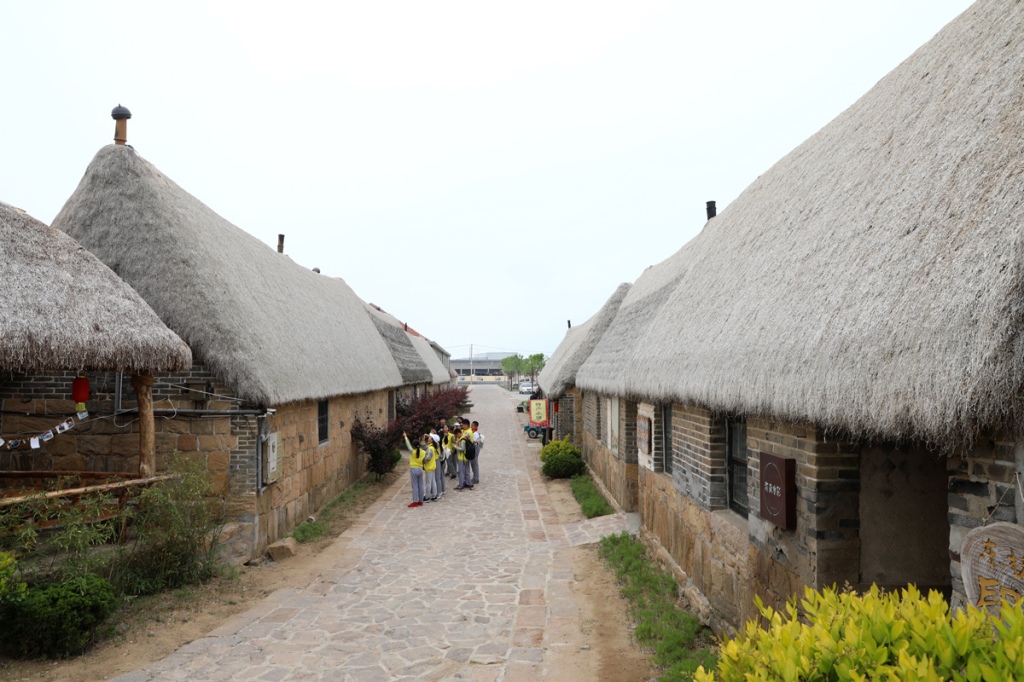
Perhaps the most significant value of sargassum materials lies in the circular logic they embody. Harvesting seaweed from coastal accumulations removes a source of methane emissions generated during decomposition while diverting organic waste into productive use. At the same time, recycled plastics are incorporated into a durable material that can replace pressure treated lumber or fully plastic composites. Although the market for these products remains relatively small and distribution networks are still developing, companies such as Sargassum Eco Lumber in Florida are beginning to demonstrate how localized environmental challenges can become localized material resources. For architects and builders exploring circular construction strategies, sargassum brick offers a glimpse of a broader shift in how building materials might be sourced in the future.
For architects and builders exploring circular construction strategies, sargassum brick offers a glimpse of a broader shift in how building materials might be sourced in the future.
Share


