 and our new web domain is Circular.nyc




Rethinking Automotive Design for Today
2026.08.19
 Share
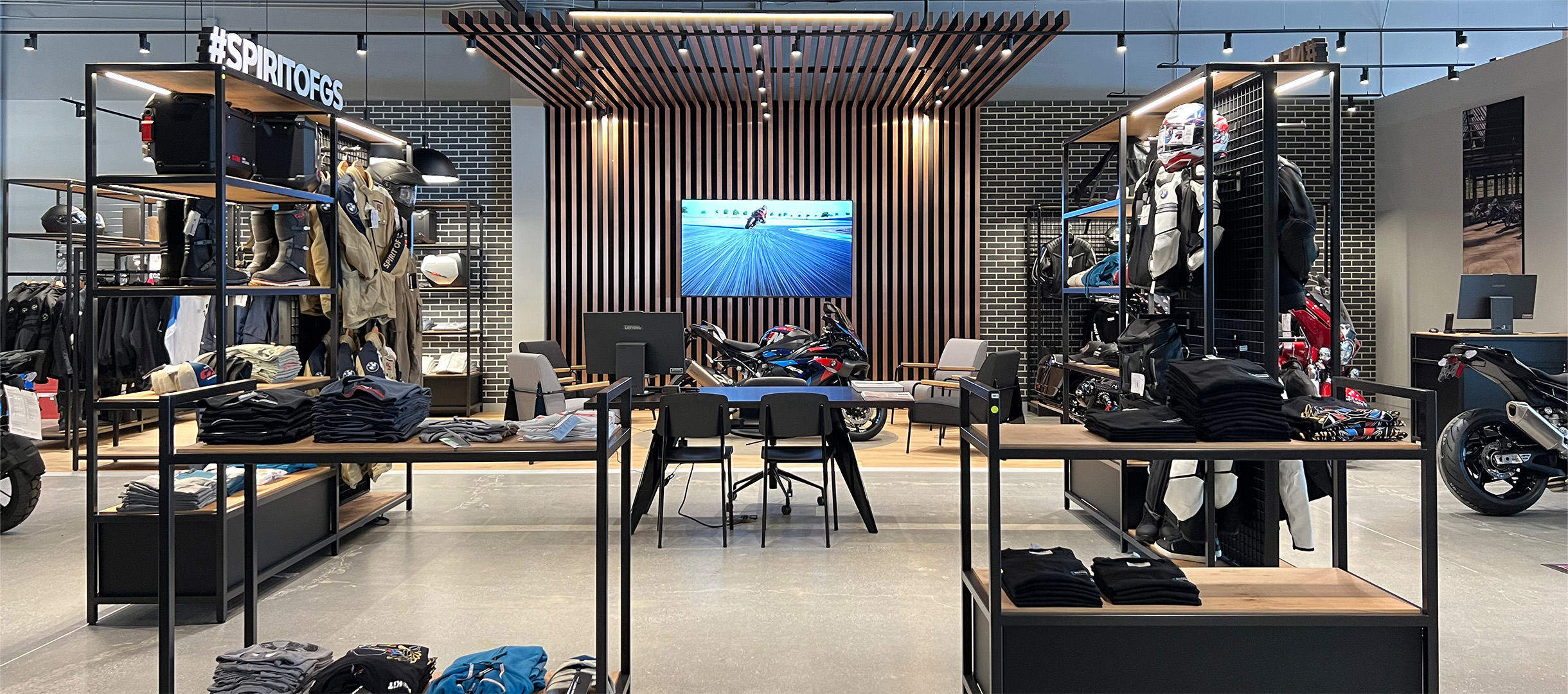
At recent automotive exhibits, several brands presented their vehicles as worlds to be explored rather than simple product placements. Their installations used sound, color, light, texture, reflection, craft, landscape, memory, and spatial sequencing to create immersive, mobility-centered encounters.
This shift is significant because it suggests the future of automotive retail will not be determined solely by digital configurators, online sales platforms, or faster purchasing tools. The overall physical experience as a touchpoint may become a primary factor: being able to touch a surface, sit in a vehicle, and immerse oneself in the space. Ultimately, it’s about envisioning a life with the object.
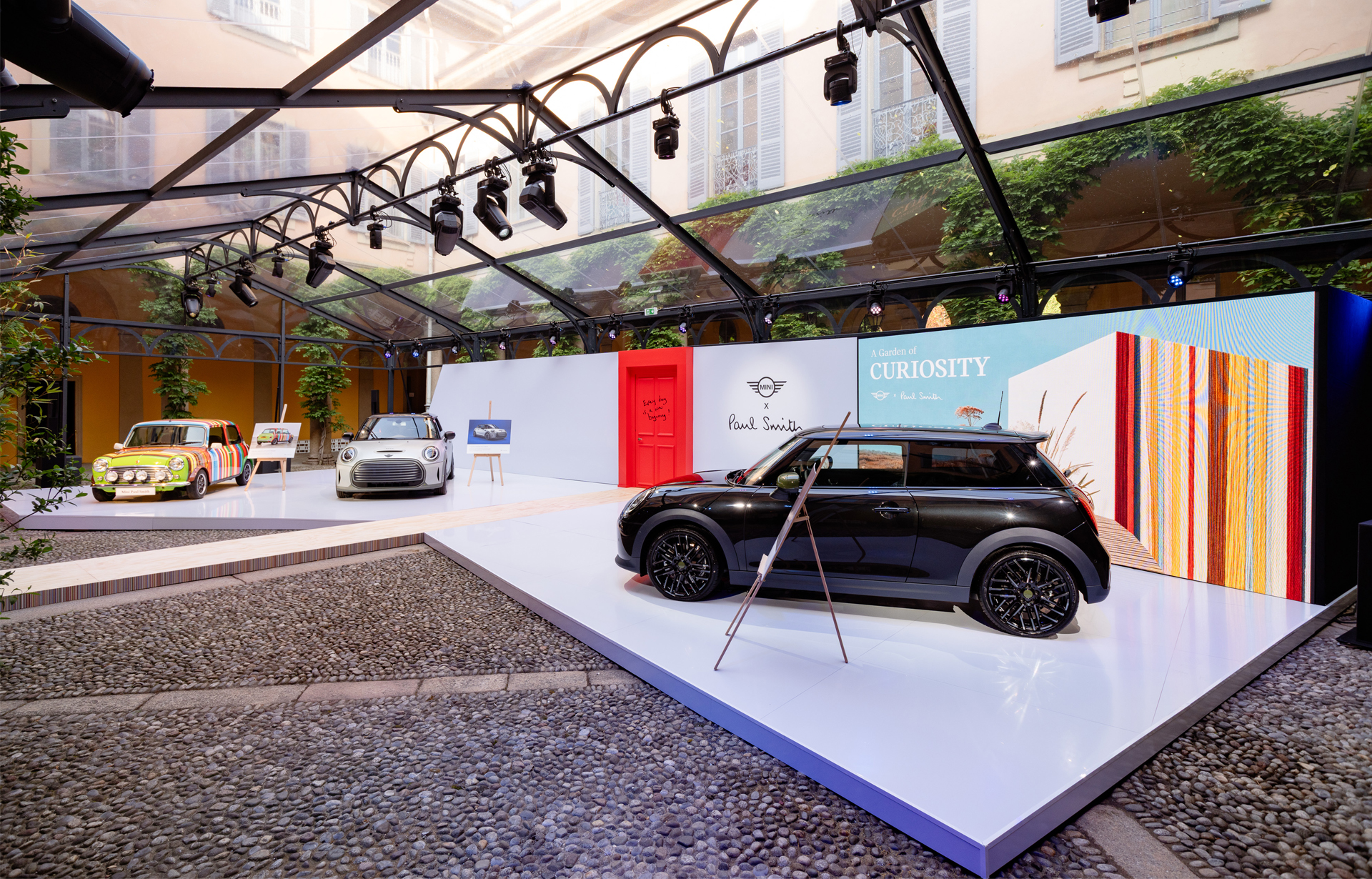
Digital media is a straightforward tool for informing customers about specifications and price comparisons and for generating visual communication; however, it doesn’t fully replace the embodied experience of interacting with a vehicle in a showroom. Understanding proportion, comfort, finishes, customization, and proper fit helps customers test and experience the brand’s work more meaningfully.
For automotive brands, visiting a showroom is an important part of the sales process and the product experience. It represents values such as performance, freedom, precision, craftsmanship, heritage, sustainability, luxury, and community. Additionally, the building's design, interior layout, lighting, furniture, graphics, and customer movement all shape how people view the brand.
Circular’s motorcycle dealership projects clearly illustrate this approach. In BMW Motorrad showroom designs, the customer journey is developed through distinct areas for heritage, consultation, gear, and product display, turning the showroom into a narrative experience. In the projects developed for Harley-Davidson, strategic improvements to lighting and merchandising can make a showroom feel more open, contemporary, and inviting while enhancing the visibility of both motorcycles and merchandise.
The building's design, interior layout, lighting, furniture, graphics, and customer movement all shape how people view the brand.
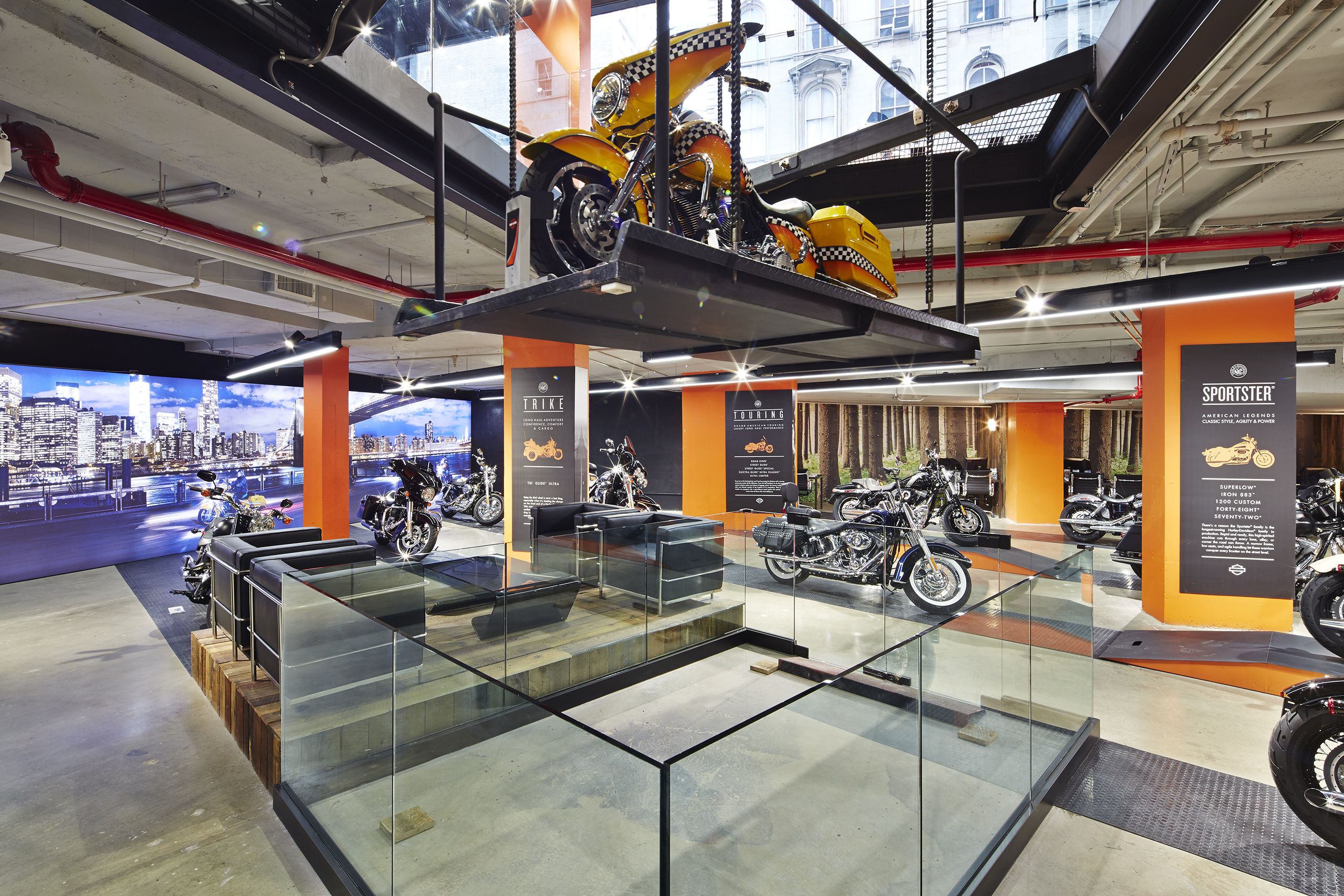
Harley-Davidson of NYC extends these ideas further by transforming a constrained urban site into a multilevel flagship experience. Through features such as a bike lift, suspended displays, and a life-size digital Bike Builder, the project blends physical and digital engagement while connecting the showroom, lounge, street, and city into a cohesive customer journey. The project also demonstrates how heritage can be reinterpreted for a contemporary audience. Traditional Harley-Davidson themes of craft, freedom, and customization are expressed through a mix of industrial materials, social spaces, and digital technologies, creating an environment that feels both rooted in the brand’s legacy and relevant to urban life.
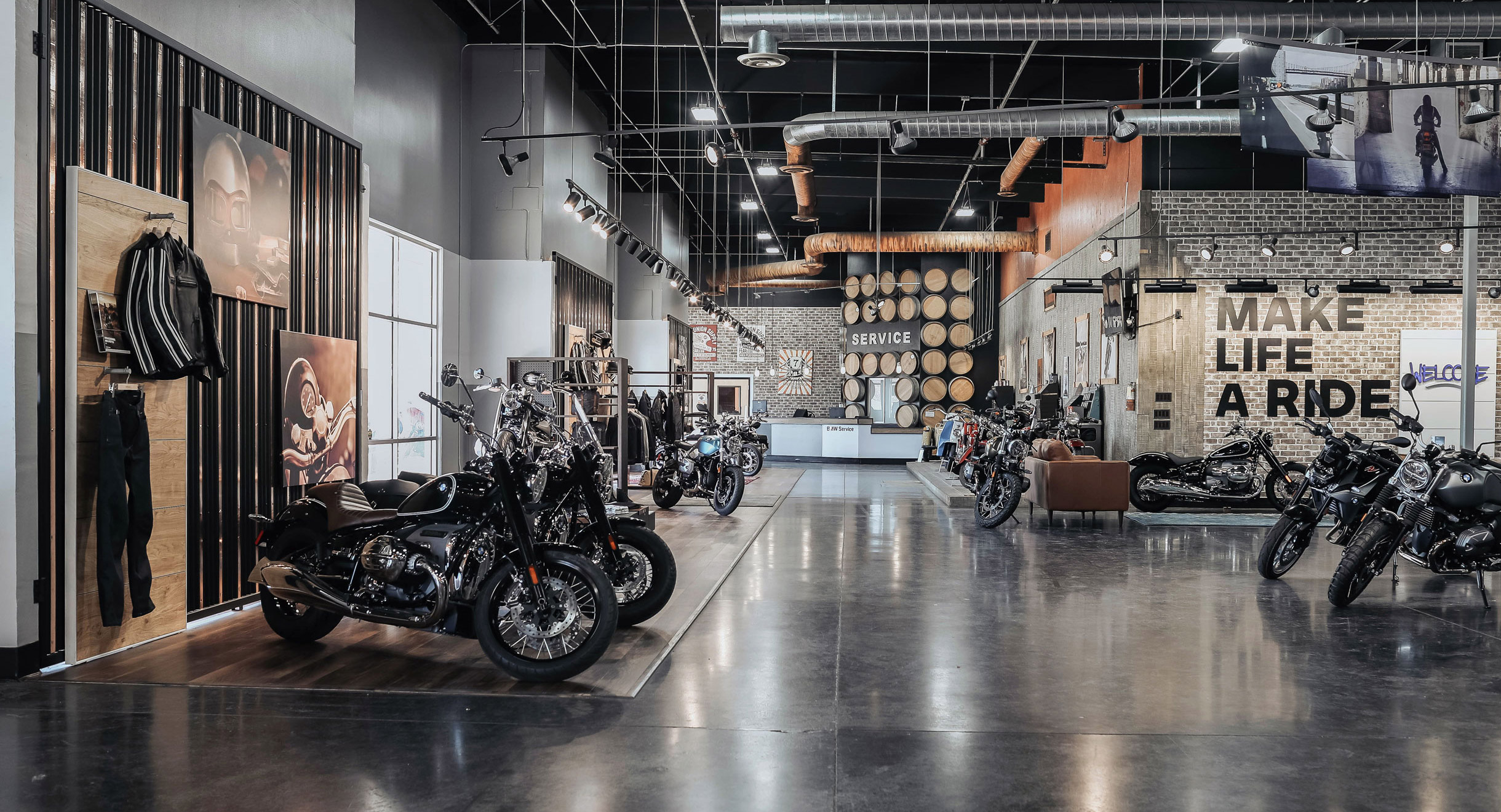
Santa Maria BMW Motorcycles enhances these themes by connecting BMW Motorrad’s precision with the craft traditions and material culture of California wine country. Rather than presenting the showroom as a generic branded environment, the design uses local photography, riding maps, vintage agricultural equipment, and winemaking references to create a more personal, place-specific experience. These elements ground the motorcycles within a broader culture of making, landscape, and regional identity, while inviting customers to see riding as an expression of lifestyle, memory, and individuality.
Another concept running through these projects is calm. This may seem counterintuitive for automotive and motorcycle showrooms, which are often associated with speed, performance, noise, power, and spectacle. Yet calm is increasingly valuable, especially in dense urban environments and overstimulating retail contexts. Customers are not only looking for excitement; they are also looking for clarity. They want enough quiet to make decisions, enough comfort to stay, and enough spatial coherence to understand what a brand offers.
A showroom can function as a pause within the intensity of the city. In an urban setting, this does not mean retreating into silence or removing all energy from the environment. It means carefully controlling the sensory field:
- Lighting can guide attention without overwhelming the visitor.
- Materials can provide warmth and tactility.
- Acoustics can make conversation easier.
- Seating can support lingering rather than rushing.
- Circulation can allow people to explore without feeling pressured.
- Digital elements can invite interaction without dominating the space.
The future of automotive retail will not be determined solely by digital configurators, online sales platforms, or faster purchasing tools.
The best automotive showrooms operate at multiple scales at once. They clarify product details, communicate brand values, create sensory experiences that cannot be replicated online, translate heritage into contemporary experience, and offer a pause from urban intensity. In this sense, they are not only retail environments, but also cultural, social, and imaginative spaces.
The future of the showroom is not simply about preserving physical retail in a digital age, but about recognizing what physical space uniquely offers. Through sensory presence, material encounter, social connection, and emotional identification, the showroom allows customers to experience a brand before they purchase it, transforming mobility from a visual proposition into a lived experience and the vehicle from an object into a world.
A showroom can function as a pause within the intensity of the city.


Share


